
Education, storytelling & presentations
Supported by the
Slavery Memorial Committee

Our Mission
More Than Beauty — A Living Symbol of Identity
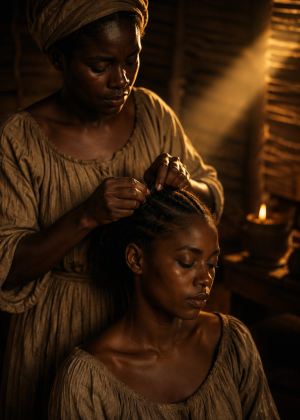
Legacy of Hair is a cultural awareness event and community initiative created to explore the powerful relationship between hair, identity, ancestry, and the Black experience. For people of African descent, hair has always carried meaning — reflecting family roots, ethnic identity, social status, creativity, spirituality, resistance, and belonging. During slavery, the meaning of Black hair was violently disrupted. Yet even under oppression, hair remained a quiet but powerful form of survival. Through braiding, wrapping, grooming, and caring for one another's hair, enslaved people preserved fragments of culture and maintained a sense of humanity in a system designed to take it away.
-
-
Cultural pop-ups & community gathering
-
Headwrap awareness & demonstrations
-
Reflection, dialogue & celebration

Be Your Own Brand

Why Hair Matters
The Story Behind the Crown
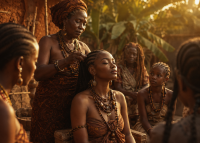
In many African cultures, hair was a sacred and social expression — representing identity, family, spirituality, mourning, celebration, and status. The transatlantic slave trade attempted to sever those connections, but hair was never fully taken away. Every braid, curl, coil, loc, and wrap carries that deeper memory.
The Significance of Black Hair
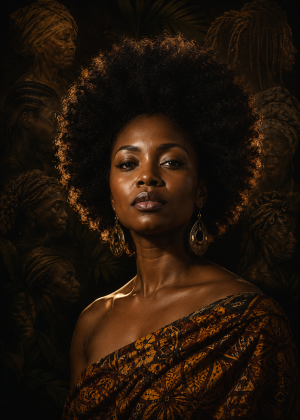
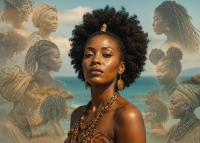
Black hair has been judged, politicized, controlled, and misunderstood — yet it remains a source of creativity, pride, community, and power. To wear our hair proudly is to honor those who were told their natural beauty was unacceptable.
The Significance of Black Hair
Black hair has been judged, politicized, controlled, and misunderstood — yet it remains a source of creativity, pride, community, and power. To wear our hair proudly is to honor those who were told their natural beauty was unacceptable.
The Meaning of Headwraps
Before slavery, headwraps were symbols of beauty, dignity, spirituality, and status. During slavery, enslaved Black women were made to cover their hair as a sign of control — yet they transformed that imposed covering into resistance, survival, and identity. To wear a headwrap today is to honor the women who carried history on their heads.
From Survival to Celebration
Legacy of Hair connects the history of slavery and emancipation with the ongoing journey of Black identity, self-acceptance, and cultural reclamation — creating room for pride, healing, dialogue, and celebration.